2-Day Master Class

Book online or phone: +44 (0)84 5838 2040

The programme

Date of Course: To be confirmed

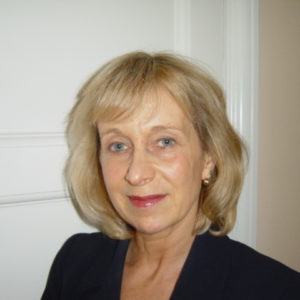
Trainer: Masha Bennett

Fee £275

What you will learn

How to deal with everything challenging that the client  brings to treatment

How to deal with difficult memories

How to deal with unbearable difficult feelings

How to manage ambivalence

How to do, when you don’t know what to do

And much more.

EFT is not a cure-all, but having this skill at your fingertips will transform your presence in the counselling room. If you want to learn more about this inspiring tool and what it can do for you and your clients please look it up online.

 

What will happen on this masterclass

You will learn and practice EFT in the comfort of a private home, with like-minded people. There will be much guided practice and support and probably a great deal of fun. You will have the chance to work on your own issues and discuss how and where EFT can be used for your clients, your self and even your family members. Change starts here now, don’t miss it!

Who may attend

All professionals with an interest in eating, weight control and general mental health.
Co-occurring eating disorders & gender distress in adolescence.

Restrictive eating and overeating problems including bulimia, are rife among adolescents and young adults grappling with gender-related distress (GRD) . Within the clinical, academic, and activist communities, there are currently varying perspectives on the most appropriate treatment approaches and how to effectively address these interconnected challenges.

In response to this pressing need, we offer you a fantastic 2-day training programme . We blend theory, practical tools, experiential exercises and real-life case studies to foster an interactive learning environment that encourages curiosity, open discussion, and critical thinking, in line with the Cass Report and current national recommendations. All perspectives and opinions are welcome.

Course Details

Date: 2025 – New date to be confirmed – 10am – 3.30pm
Fee: £295
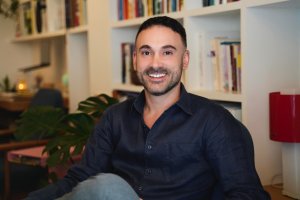
Trainer: Anastassis Spiliadis

You will Learn

-A thorough introduction to the clinical, social and political complexity of this work.

-Theoretical approaches to understanding gender-related distress over time.

-Approaches on language and meaning in relation to sex and gender.

-An overview of the developing evidence-base and practice-based evidence and the complexity associated to this clinical area.

-Introduction to the psychotherapeutic exploration for gender-related distress and how it relates to key treatment pathways for eating disorders.

-Utilising the Hierarchy of Risk and Interventions model (HoRaI) to consider ethical, cautious and developmentally-appropriate therapeutic interventions.

-Develop skills that will help you decide how to combine individual and family sessions for the service users.

-The relevance of the Cass Report to co-occurring AN and GRD.

-You will be supported to reconnect with relevant psychological and psychotherapeutic skills and utilise these in developing clinical formulations and a therapeutic care plan.

This introductory course offered by NCFED with NEDDE provides a full overview of the bariatric process, highlighting key psychological challenges for the bariatric patient at each stage and the key focus areas that lead to successful outcomes and freedom from distressed eating and harmful aspects of obesity. We discuss the nutritional requirements for patients & some strategies with the Neuro-divergent client in mind.

Hear from people who had surgery, highlighting their challenges, and how the surgery has affected their lives and relationships.

Course Details

Date: TBC 2025

Fee: £295

Trainers: 

Lisa Smith (BANT Reg Nutritionist & Snr Lecturer

Bernie Wright – Eating Disorder Specialist (BACP Accred)   

Kim Rutherford – Psychotherapist & Author (NCS Accred)


You will Learn

You will learn the key stages of the bariatric process and post-surgery implications from a psychological, physiological and nutritional perspective

An introduction to bariatric surgery

  • The journey
  • The three stages of bariatric living
  • The risks and benefits of each bariatric surgery

Stage one: pre-surgery stage

  • Mindset for preparation
  • Psychological challenges: management of anxiety, identifying the relationship with food, unhelpful habits and unhealthy coping mechanisms with life and  other people.
  • Pre surgery nutrition requirements
  • How to prepare for surgery, how to gain the help and support of family and friends
  • Planning for post-surgery

Stage two: post-surgery stage

  • Managing expectations and challenges
  • How to handle weight change and its effects on other people
  • Psychological challenges, emotions, identity and stigma
  • How to deal with plateaus and malnourishment
  • Emotional outcomes including grief and loss, anxiety or low mood, body dysmorphia
  • The effect of prior eating disorders
  • How to develop a healthy relationship with food
  • Nutritional needs for the bariatric patient as the result of changes in digestion, absorption appetite and altered physiology. Emphasis is on avoiding nutrient deficiencies and ensuring macro-micro nutrient balance.
  • How to enhance physical recovery

Stage three: life-long maintenance

  • Creating the right mindset for lifelong maintenance of change
  • Weight gain risks
  • Psychological challenges: creating new comfort zones, finding new ways to deal with stress, adjusting to a new identity; rebuilding self esteem
  • Long-term nutritional needs, including the possible use of supplements, and ongoing testing. How to adjust the diet for long-term management of cravings & optimum health
  • How to support emotional wellbeing in people whose life may change “beyond recognition”
  • Other considerations. Is it all good news?

Level 2 Foundation and Level 3 Accredited counselling skills qualification for people who provide nutrition advice and coaching in their practice.

We are proud to support a venture by Mind Your Health to provide nutrition therapists and coaches with a qualification Accredited by the Counselling and Psychotherapy Central Awarding Body, that will enhance their work with their clients - including clients with eating and weight issues.

The course is accessible to delegates from the UK and overseas.

The 30 hour Level 2 Foundation Course delivered over 10 weeks  is optionally followed by the 90 hour Level 3 course, delivered over 18 weeks. Gain a qualification that will transform your work with people who come to you for help. Some people with the right experience may be able to begin with the Level 3 training. The Module aims and syllabus are below.

Open Course — Eating Disorders in Adolescents (Adolescents Cert)

Book online or phone: +44 (0)1825 763710

The programme


 Recorded online modules
Body Image Issues / Body Dysphoria
• Supporting Young People with Anorexia & Bulimia
• Obesity, Healthy Eating & the Link to Mental Health

Trainer:    Deanne Jade, Founder, NCFED
Venue:       Via Zoom (Recorded)
Fee Options:


What you will learn


Eating disorders, body image problems and obesity are now the premier challenge facing young people today. Treatment of each is a highly specialised field and these 3 modules will introduce you to the core issues involved in identification and treatment of these adolescent issues.
There will be ample time for questions as part of the presentations.

Who may attend

Psychologists, Therapists, Counsellors, Coaches, OTs, SLTs, Dieticians, Physiotherapists, Nurses, Doctors, Arts Therapist, Substance Misuse Workers, Social Workers, Probation Officers.

Anyone interested in -arguably -the hottest topics in adolescent issues.

We join with the National Centre for Autism & Mental Health to bring you a stand-alone workshop forming part of the Certificate & Diploma in Autism & Mental Health

The programme

Are you supporting autistic people with co-occuring mental health support needs?  Join our 3 day online course to gain essential skills for understanding and helping those who are experiencing eating disorders or disordered eating patterns, including ARFID
This training is delivered by neuro-affirmative trainers.

Trainer:   Jenny Phaure
Venue & Date:  Learn online at your own pace with full access to all materials
Investment:  £260


Click here to watch our video to find out more about eating disorders


Takeaways & Learning Points

Identify & understand eating disorders including ARFID amongst autistic people

Learn about autistic people’s lived experiences and what they find helpful

Use practical tools like “spotting the signs” and “sensory food profiling”

Address gender bias and unique presentations, including those amongst young women and men

Learn strategies for mealtime support using the “mealtime support resource pack”

Explore the impact of sensory sensitivities, interoception, masking and different communication styles on eating behaviours

“Adjustments to practice” strategies and resources for difficult cases

Learn strategies for refeeding, family skills training and psychoeducation

Apply neuro-affirmative approaches to support improved mental health and self awareness

Benefits for You

You will have a BPS Approved CPD certificate on completion

Enhanced skills to support autistic individuals with co-occurring eating distress including ARFID

Access to our really useful tools and resources, worksheets and evidence based practices


Course Materials & Learning Formats

PDF handouts, videos, workbooks, and reflective practice worksheets

Tools for sensory profiling, and spotting the signs of eating disorders

Adjustments to practice resource pack & mealtimes resource resource pack

Psycho-education and other resource packs

Podcasts, articles and client worksheets

Who may attend

We prefer you to have experience working with eating disorders and we are happy to discuss your training needs.  Call 01372 439184  OR email hello@ncamh.co.uk and leave the rest to us.

Socratic Questioning (SQ) for Eating Disorders (ED)

This two-day experiential workshop is presented by SDS Seminars . It outlines the practicalities of Socratic Questioning (SQ) for eating disorders (ED) and obesity along with demonstrations, multiple practice opportunities and feedback.

Date: TBC 2025 Live on Zoom

Trainer:  Professor Paul Grantham SDS


Approved by the British Psychological Society for the purposes of Continuing Professional Development (CPD).

Helping people change when they have eating problems is not easy.

 Informing/advising alone (i.e. prescriptive advice)

Pointing out what the client is doing wrong

Exploring feelings alone

… however, our training and default styles often tempt us to go down one or more of these paths.

These strategies have their place but they fail to engage in a central component of eating disorders – the way the client THINKS and in particular their beliefs about themselves, their food, their body weight, their shape and all of the above – for other people.

We need to work with clients to identify, understand and to question these beliefs. This requires the skilled use of Socratic Questioning and Guided Discovery – a very different approach to advice giving or reflective counselling alone.

This course is not specific to eating issues, but  we are excited to incorporate relevant examples and applications in this unique two day experiential course. You will be given lots of supervised practice along with  demonstrations and guidance.

Your Trainer

Paul Grantham: Consultant Clinical Psychologist, Professor of Clinical Psychology at PSMedUniv, Director of SDS Seminars, Chartered Clinical Psychologist, a Senior Associate of The Royal Society of Medicine, Accredited CBT Therapist, Honorary Professor of Clinical Psychology. He is the founder and Director of SDS Ltd and one of the most popular and inspirational tutors in the field of psychological skills training.

 

Introduction: Deanne Jade, MBPsS, Fellow, Royal Society of Medicine, Founder, Director & Senior Trainer, National Centre for Eating Disorders.

Booking Policy

Payment for all courses must be received in full prior to commencement, including any instalments agreed under our interest-free payment plan. Your place is secured once full payment has been made.

Transfers to Other Courses

Requests for transfers must be made prior to the original course commencement date. No charge is made in such circumstances.

Cancellations

Refunds are only given for cancellations 21 days prior to the course commencement date, subject to an administration fee of £50

Eating Disorders: Advances in Science & Treatment To be advised

The Royal Society of Medicine offers this valuable event


For anyone interested in boosting their knowledge and wisdom of eating disorders. Attendees will learn about the prevalence of eating disorders, the risks and benefits of social media, recent advanced developments in treatment options, and how people with eating disorders perceive interventions.

From 10:00am to 5:00pm booking to be advised


Eating Disorders Summit 2026: Improving Access Treatment & Recovery Outcomes March 12th 2026 Online

This conference focuses on Eating Disorders: improving access, treatment and recovery outcomes, and meeting the national standards for children, young people and adults. We will hear from a lived experience speaker who co-authored a report on the state of eating disorder services and the challenges of accessing specialist care across the country.

For further information or to to book this conference please click here   

Or email luke@hc-uk.org.ukFollow the conference on X @HCUK_Clare  #EatingDisorders


Eating Disorders & Disordered Eating in the Perinatal Period: Healthcare: Supporting Women with Eating Disorders & Pregnancy

Eating Disorders & Disordered Eating in the Perinatal Period: Supporting Women with Eating Disorders and Pregnancy

THURSDAY 29th JANUARY 2026

VIRTUAL, Online

This conference will update delegates on the important issue of Eating Disorders & Disordered Eating in the Perinatal Period, & how we can better Support Women with Eating Disorders & Pregnancy. The event will focus on learning from lived experience, understanding why pregnancy can be triggers for eating disorders & exploring how we can better identify women with first episode eating disorders or disordered eating during pregnancy & support those with existing eating disorders that may experience relapse during the perinatal period.  The conference will learn from expert interactive sessions to identify strategies for improving practice in support & treatment.

For further information and to book your place visit

https://www.healthcareconferencesuk.co.uk/virtual-online-courses/eating-disorders-perinatal-period    or click on the title above or email aman@hc-uk.org.uk

Follow this conference on X @HCUK_Clare #PerinatalED


Eating Disorders in Boys & Men: Improving Recognition & Reducing Stigma Friday December 5th 2025 Virtual Online

Eating Disorders have increased among people of all backgrounds & while the prevalence among men & boys has often been underrepresented, recent statistics from NICE & others have shown that a greater focus will need to be given.

In this conference we will look at the contributing factors to eating disorders in men & boys including social media, weight loss medications & masculine body ideals.

We will also be hearing from professionals who work in eating disorder services & learning how they navigate the challenges of gender stereotypes & societal stigma preventing men & boys from receiving treatment.  The conference will include the lived experience of men who have experienced treatment for eating disorders in the healthcare system.

For further information and to book your place visit

https://www.healthcareconferencesuk.co.uk/virtual-online-courses/eating-disorders-boys-men

NCFED have delivered many tailor-made training courses in the treatment of Eating Disorders & Obesity to NHS trusts and other Public Sector organisations including the following:

Cefn Coed NHS PCT Hospital, Swansea


Wakefield District NHS PCT Crisis Centre


 The Women’s Service Oxford


The Haven Project, Colchester  


Gwent Health Care NHS Trust 


Roehampton University


To discuss your training needs, please contact us or call 0845 838 2040.